



Insulating your attic is a critical task that can significantly improve your home’s energy efficiency. However, many homeowners make common mistakes during installation, which can lead to inefficiency and even damage. Understanding these pitfalls can help you avoid them and ensure a successful insulation project.
One of the most common errors is not using the correct type or amount of insulation. The kind of insulation you need depends on various factors like the climate where you live and whether your attic has existing insulation. It’s essential to research what type of material will work best for your specific situation before starting the project.
Another prevalent mistake is not sealing air leaks before installing new insulation. Air leaks can cause warm air from inside your house to escape into the attic, leading to significant heat loss in winter months. This issue also allows hot air from outside into your home during summer, making it harder for your cooling system to keep up with demand. Therefore, it’s crucial to seal all cracks and openings around windows, doors, light fixtures and other areas before proceeding with attic insulation installation.
Inadequate ventilation is another problem often overlooked during attic insulation projects. Without proper ventilation, moisture builds up in the attic space causing mold growth or damaging both the roof structure and installed insulation over time. Installing vents or fans as needed ensures that moist air does not get trapped in this area.
Improperly installing vapor barriers is another common error that could lead to severe problems down the line like condensation build-up leading to mold growth or structural damage due to rotting woodwork caused by trapped moisture within walls.
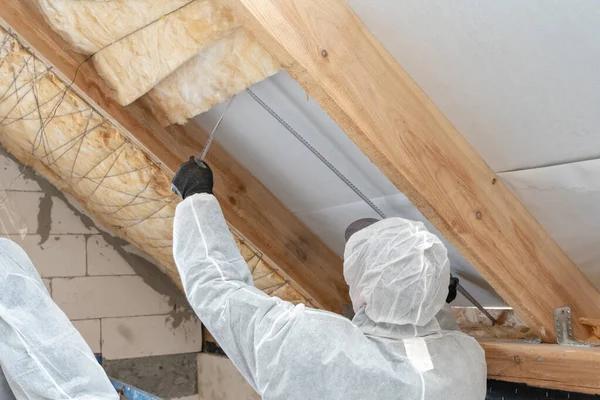
Safety precautions are sometimes neglected too during DIY installations – handling fiberglass without gloves or a mask can result in skin irritation or respiratory issues while failing to use safety equipment when working at heights could lead to accidents.
Lastly, many people underestimate how much time it takes for an effective installation process – rushing through this task may leave gaps in coverage areas thereby reducing its effectiveness drastically while also increasing risks of making other mistakes mentioned earlier.
It’s worth noting that while DIY attic insulation can save you money upfront, it might end up costing more in the long run if not done correctly. Hence, unless you are confident about your skills and knowledge regarding this task, hiring a professional could be a wise decision. They will have the experience and expertise to avoid these common pitfalls, ensuring your attic is well-insulated and energy-efficient for years to come.