




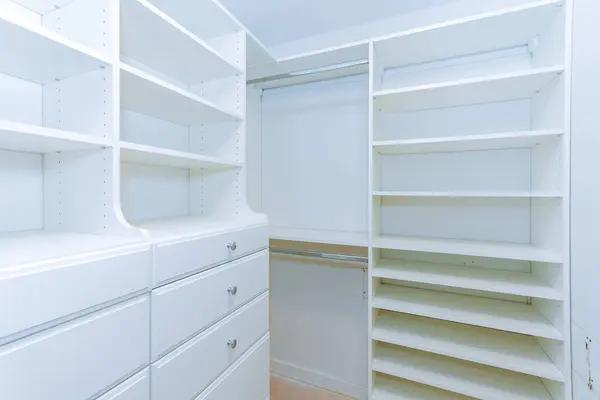
Designing a custom closet shelf layout that aligns with your lifestyle is an essential step toward achieving organization and functionality. A well-planned closet not only optimizes space but also simplifies daily routines, making it easier to find what you need when you need it. The process begins with assessing your specific needs and understanding how you use your wardrobe.
Start by decluttering your closet. Remove items you no longer wear or use, as this will give you a clearer picture of the storage space required for the belongings that truly matter. Once you’ve streamlined your inventory, categorize your clothing, shoes, accessories, and other items based on frequency of use and type. For example, group workwear separately from casual attire or seasonal outfits. This categorization helps determine the shelving structure you’ll need.
Next, measure the dimensions of your closet accurately click to learn more understand its full potential. Consider both vertical and horizontal space to maximize storage options. Vertical space can be utilized with adjustable shelves or double-hanging rods for shorter garments like shirts and skirts, while horizontal areas can accommodate drawers or bins for smaller items such as socks or accessories.
When planning shelf placement, think about accessibility. Items used frequently should be stored at eye level or within easy reach so they’re convenient to grab during busy mornings. Less-used pieces like formal wear or off-season clothing can be placed on higher shelves or in less accessible areas.
Incorporate diverse storage solutions tailored to specific needs—shoe racks for footwear enthusiasts, pull-out trays for jewelry collectors, cubbies for handbags—or even hooks on walls for scarves and belts. Customizable features like adjustable shelving allow flexibility as wardrobes evolve over time.
Aesthetic considerations are equally important in creating a functional yet visually appealing closet layout. Choose materials that complement the overall design of your room while ensuring durability. Neutral tones often create a clean look but don’t shy away from adding personality through textured finishes or pops of color.
Finally, invest in proper lighting to enhance visibility within the closet space; LED strip lights under each shelf work wonders here without consuming too much energy.
By thoughtfully planning every detail—from measurements to materials—you’ll create a custom closet shelf layout that seamlessly fits into your lifestyle while maintaining order and efficiency in daily life.